










In the name of God
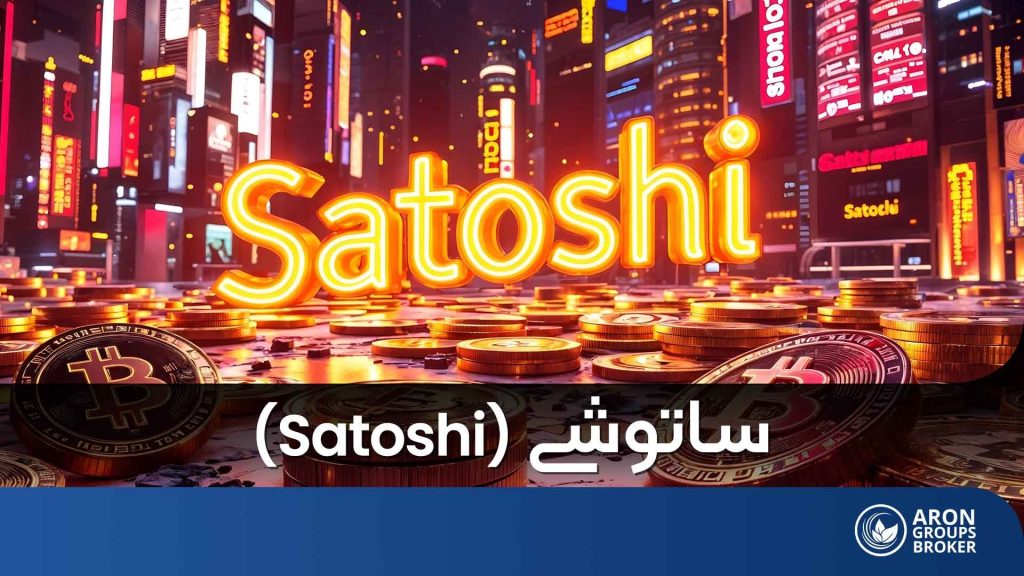
Satoshi unit
In the realm of cryptocurrencies, Bitcoin is the undisputed leader. As the first and most well-known digital currency, Bitcoin has gained widespread adoption and has become a symbol of the decentralized financial revolution. Within the Bitcoin ecosystem, the smallest unit of the cryptocurrency is called a “Satoshi.” Named after the mysterious creator of Bitcoin, Satoshi Nakamoto, this tiny unit holds great significance in understanding the value and functionality of the world’s leading cryptocurrency.
_ The Birth of Bitcoin :
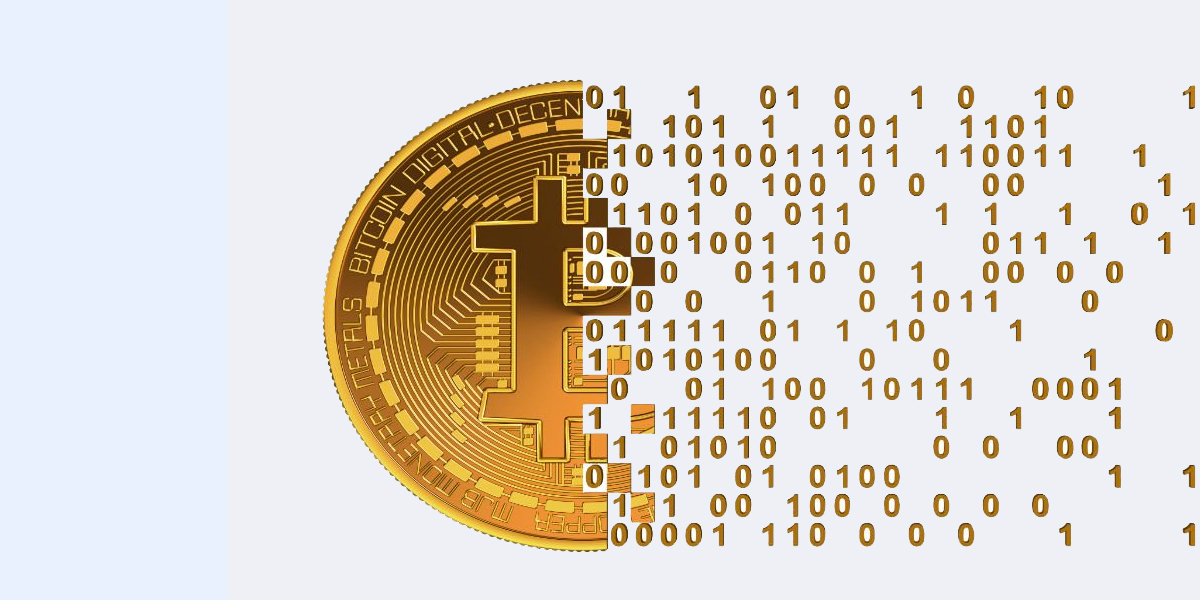
In October 2008, a whitepaper titled “Bitcoin: A Peer-to-Peer Electronic Cash System” was published on a cryptography mailing list. The paper, authored by Satoshi Nakamoto, outlined a revolutionary concept: a decentralized digital currency that would eliminate the need for intermediaries such as banks or governments. This technology, known as blockchain, would enable secure and transparent transactions between individuals across the globe.
The whitepaper and subsequent code release marked the birth of Bitcoin in January 2009. Nakamoto’s creation introduced the concept of a decentralized ledger, maintained by a vast network of computers, known as miners. These miners would validate and record transactions, ensuring the integrity of the network.
Bitcoin’s impact on global financial systems cannot be overstated. It has challenged the traditional banking system by offering an alternative means of conducting transactions and storing value. Bitcoin’s decentralized nature has provided financial inclusivity to millions of people around the world who lack access to traditional banking services.
Additionally, Bitcoin has influenced the development of numerous other cryptocurrencies, collectively known as altcoins. These digital currencies have introduced innovative features and sought to address some of the limitations of Bitcoin, such as scalability and transaction speed.
_ Defining Satoshi :
A Satoshi is the smallest indivisible unit of Bitcoin. It represents 0.00000001 BTC, which means there are 100 million Satoshis in one Bitcoin. This micro-unit was introduced to facilitate transactions involving minute fractions of Bitcoin, as the value of a whole Bitcoin can be quite substantial.
_ The Importance of Satoshi :
While Bitcoin’s price can often be intimidating for newcomers, the introduction of Satoshis allows for more accessible and affordable transactions. By breaking down Bitcoin into smaller units, individuals can transact with fractions of a Bitcoin, enabling microtransactions and fostering greater usability.
Satoshi also plays a vital role in the concept of “stacking sats,” which refers to the accumulation of Satoshis over time. Many Bitcoin enthusiasts and investors focus on acquiring Satoshis rather than whole Bitcoins. This approach reflects a belief in the long-term value of Bitcoin and the potential for its appreciation over time.
_ Satoshi as a Unit of Value :
The Satoshi unit provides a flexible and practical way to measure the value of goods, services, and investments within the Bitcoin ecosystem. Just as the dollar has cents and the euro has cents, Satoshis serve as the cents of Bitcoin. They allow for precise and granular pricing, making it easier to assign value to digital assets, products, or services in the cryptocurrency space.
_ The Role of Satoshis in Bitcoin’s Ecosystem :
Satoshis are not only significant as a unit of value but also in the context of Bitcoin mining. Miners play a crucial role in securing the Bitcoin network and validating transactions. As a reward for their efforts, miners earn new Bitcoins as well as transaction fees. These rewards are typically measured in Satoshis, incentivizing miners to contribute their computational power to maintain the network’s security and integrity.
Furthermore, Satoshis are also relevant in the Lightning Network, a layer-two scaling solution built on top of the Bitcoin blockchain. The Lightning Network enables faster and cheaper transactions by utilizing payment channels, and it operates primarily in Satoshis. This further reinforces the importance of Satoshis in facilitating the scalability and usability of Bitcoin.
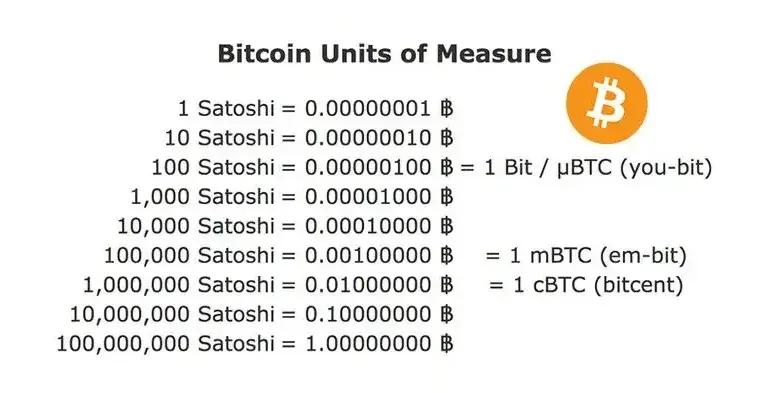
Satoshi, the smallest unit of Bitcoin, holds great significance in the world of cryptocurrencies. It allows for more accessible transactions, fosters the concept of stacking sats, and enables precise measurements of value within the Bitcoin ecosystem. Satoshis play a crucial role in Bitcoin mining rewards and are fundamental to the Lightning Network’s operation. As Bitcoin continues to evolve and gain mainstream acceptance, the Satoshi unit remains a key component in realizing the vision of a decentralized, peer-to-peer digital currency.