Technical and Fundamental Analysis
Forex basics
Trend, Channels, and Technical Analysis Book
Price Action Trading Book
Decoding forex opportunities, treats, necessities
Monetary & Fiscal Policies in Forex
Everything About Pending Orders in Forex: How Conditional Orders Work for Your Profit
A Complete Guide to Stop Out in Forex
test
Bears
Fill Policy
Take Profit
Stop Loss
Sell Stop Limit
Buy Stop Limit
Sell Stop
Buy Stop
Sell Limit
Buy Limit
Tick Size
Tick Value
Stop Level
Market Execution
Profit and Loss (P&L)
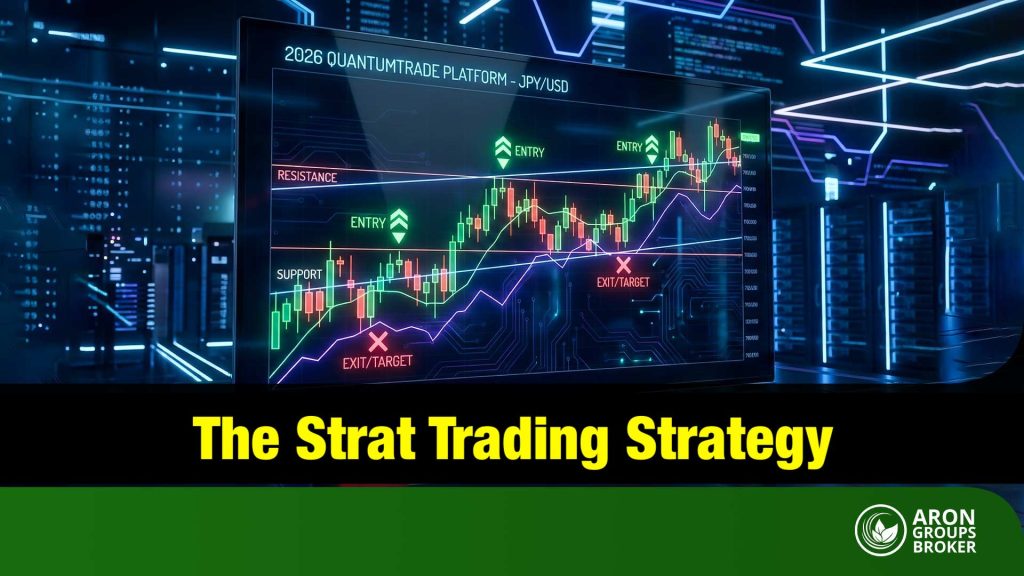
The Strat trading strategy is a price-action framework that classifies every candle into a simple 1, 2, or 3 relationship to the prior candle, then uses multi-timeframe alignment to decide direction and timing. It’s designed to remove guesswork—but can you actually follow its rules in real time without reverting to gut-feel trades? Key points: Key […]
The Forex market or foreign exchange is a huge network of international currency buyers and sellers. Trailers in this market transfer currencies between each other at an agreed price. Forex is a market for everyone; Banks and individuals use this network to buy, sell or exchange currencies for different purposes. Everyone willing to convert one […]
The Forex market is one of the most popular, and important markets for the world economy, very important for the economic growth of the world. In this article by Aron Groups Broker, we want to tell you about how to trade in the Forex market effectively, explore the Forex market, its uses and advantages, and […]
The Forex market is the biggest financial market in the world, and there are many players in this market. The access point to the Forex market is the exchange platforms, these are software that are offering access to the different financial markets like the Forex market to the traders and investors. How to choose the […]
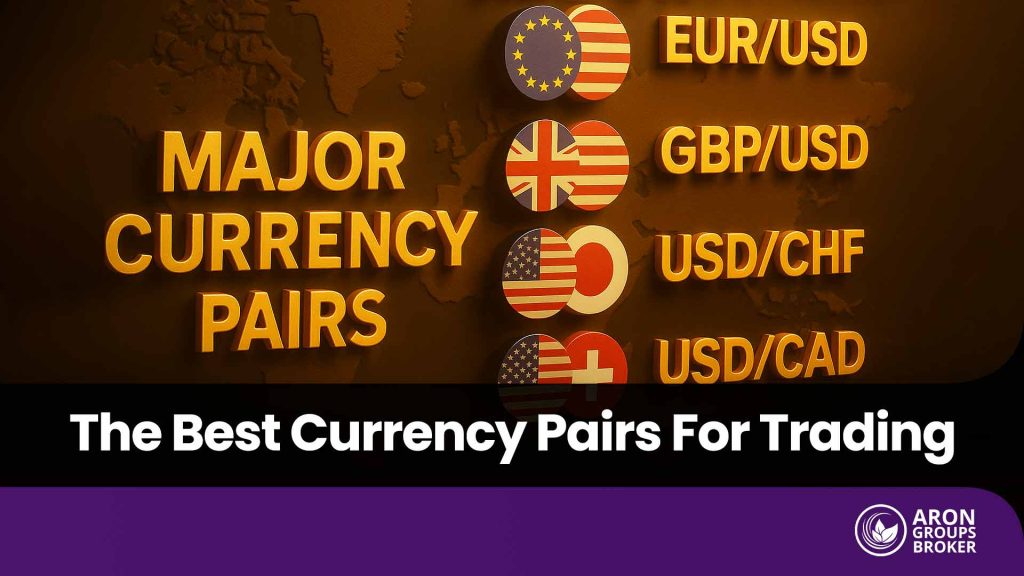
One of the most important steps in Forex trading is choosing the best currency pairs to achieve the highest profits. As you know, there are many currency pairs in the Forex market, and choosing the best ones can increase your profit as a trader. How to choose the best currency pairs for trading in the […]
A forex broker is a financial intermediary that matches a buyer’s position with a seller. A broker, also known as a market maker, provides traders with buying and selling platforms to sell and exchange foreign currencies. Forex is a short form of forex exchange. And a broker is the intermediary that facilitates transactions between buyer […]
One of the smartest financial decisions you can make is opening a brokerage account and investing. But it is important to choose the right brokerage, especially if you are new to the forex arena. First, you need to know what is needed to start trading and investing in the Forex market; then, you can choose […]