Master Capital Protection with Proven Stop Loss Techniques
Successful trading is not only about good entries but also about strong risk management. A stop loss protects capital by limiting losses when the market moves unexpectedly. The best stop loss strategy relies on tools such as volatility indicators, market structure, and risk-to-reward analysis rather than arbitrary price levels. This guide explains practical stop-loss methods […]
9 mins read
Force Index Indicator MT4 Free Download: Best Settings, Strategy, and Trading Guide
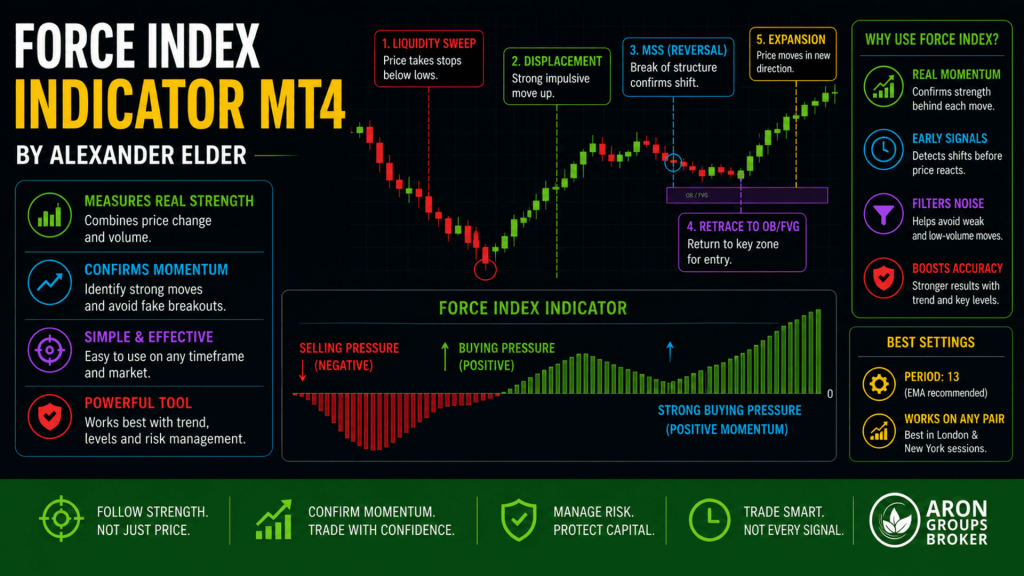
The Force Index Indicator MT4 is one of the most practical tools for understanding the real strength behind price movements. Developed by Alexander Elder, this indicator combines price action and volume into a single value, helping traders see whether buyers or sellers are truly in control. Unlike many lagging indicators, the Force Index gives insight […]
8 mins read
Step-by-Step Guide to ICT Reversal Sequence Strategy in Forex Trading
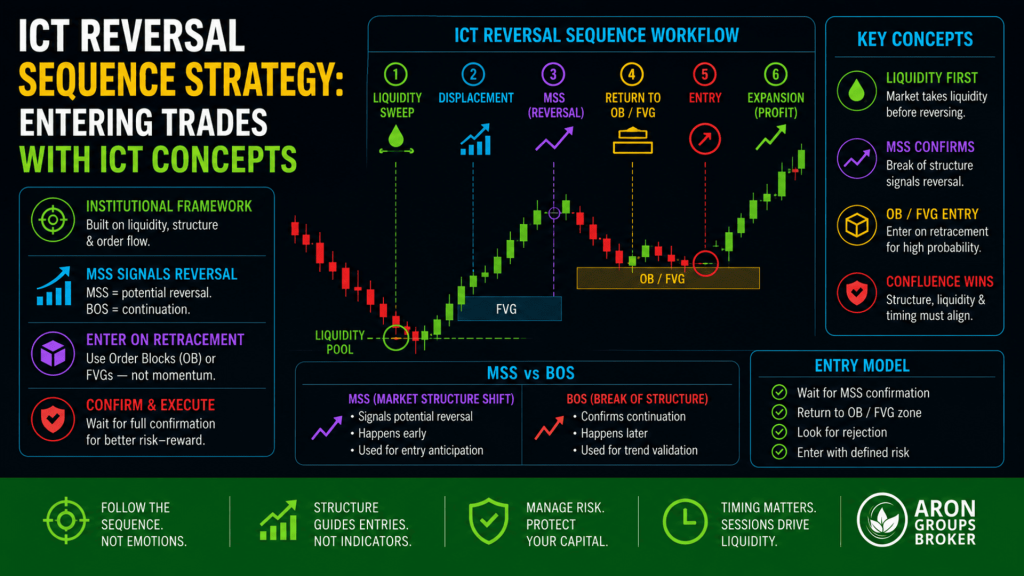
The ICT Reversal Sequence Strategy is a powerful framework used by professional traders to identify high-probability reversal points in the Forex market. Rooted in the Inner Circle Trader (ICT) methodology, this strategy combines market structure analysis, liquidity patterns, and order block identification to anticipate institutional moves before they unfold. This article will break down the […]
8 mins read
Why a Single MACD Crossover Is Not a Trade — How to Use Alerts Inside a Structured Decision Process
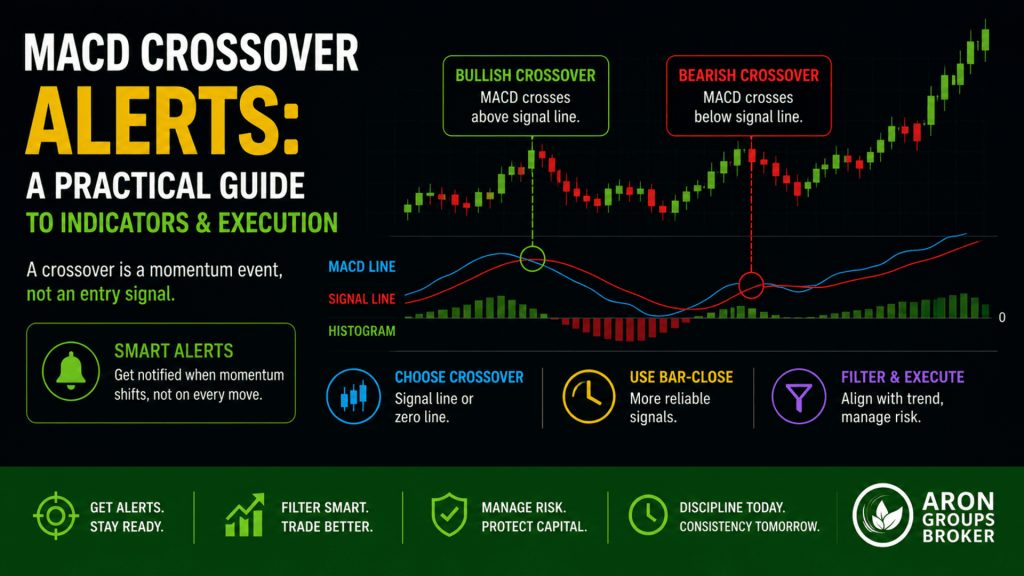
MACD crossover alerts are among the most widely used indicator-based notifications in trading, and also among the most misunderstood. The problem is rarely the indicator itself; it is that traders treat every crossover as an entry signal, then blame MACD when the result is choppy, late, or already extended. A crossover is a momentum event. […]
8 mins read
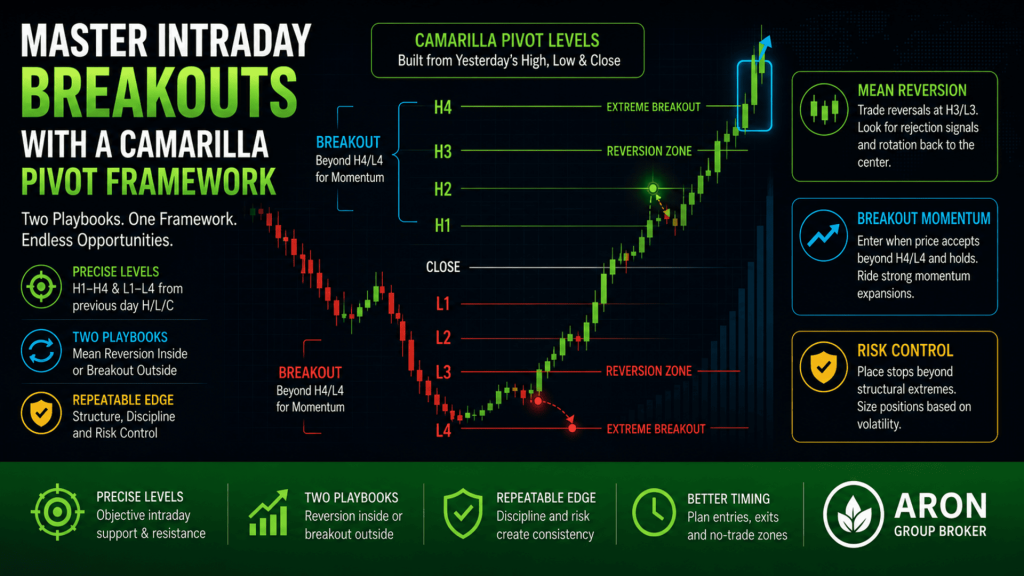
Camarilla Pivot Trading Strategy: Intraday Breakouts & Mean Reversion
The Camarilla pivot trading strategy is an intraday framework that uses the previous day’s high, low, and close to plot precise support and resistance bands (H1–H4 and L1–L4). Traders then use those bands for two clear playbooks: mean reversion around the inner levels, or momentum breakouts beyond the outer levels. The real question is: are […]
8 mins read
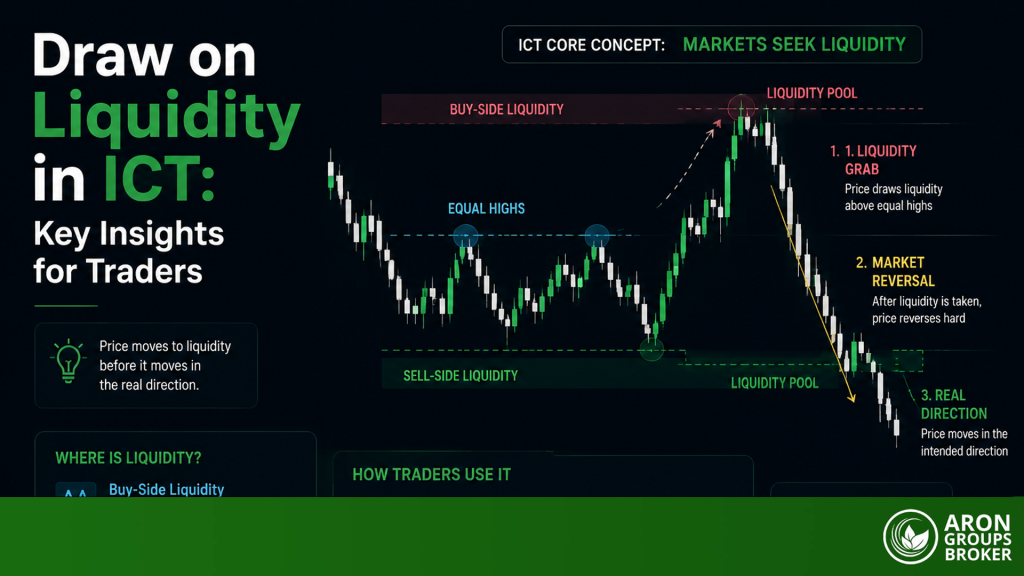
Draw on Liquidity in ICT: Key Insights for Traders
In ICT terms, a draw on liquidity is the idea that price usually has a “common-sense” destination. Markets often travel toward places where orders stack up, equal highs, equal lows, prior day high/low, and other obvious swing points. It’s not a magic prediction trick, and it definitely doesn’t mean the price will reverse once it […]
11 mins read
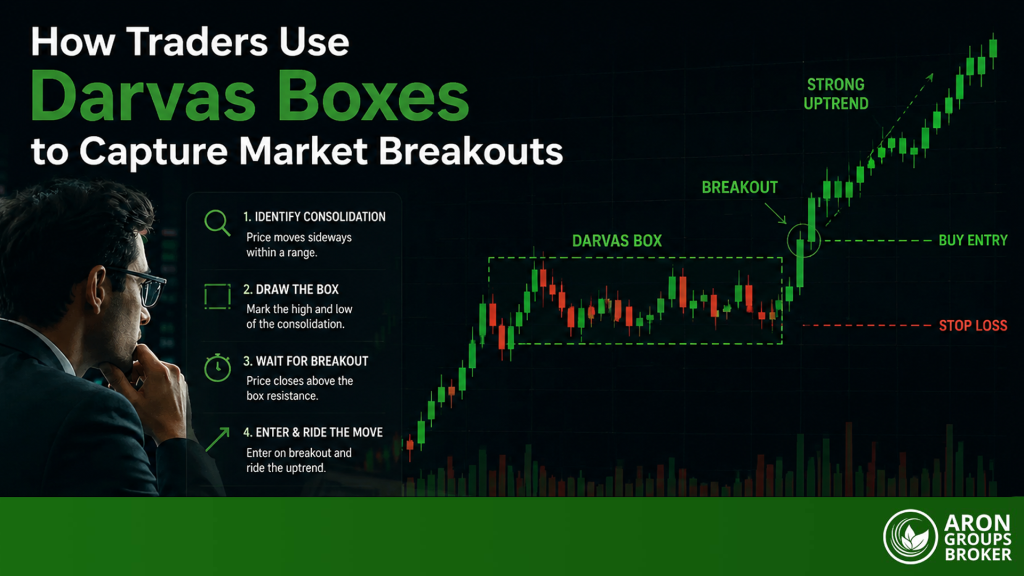
How Traders Use Darvas Boxes to Capture Market Breakouts
A stock doubles in price. Then it consolidates quietly for weeks, forming a tight range with little fanfare. Then it breaks out again. This pattern, observed decades before algorithmic trading existed, formed the basis of one of the most enduring breakout systems in technical analysis. The Darvas box trading strategy was built on exactly this […]
10 mins read
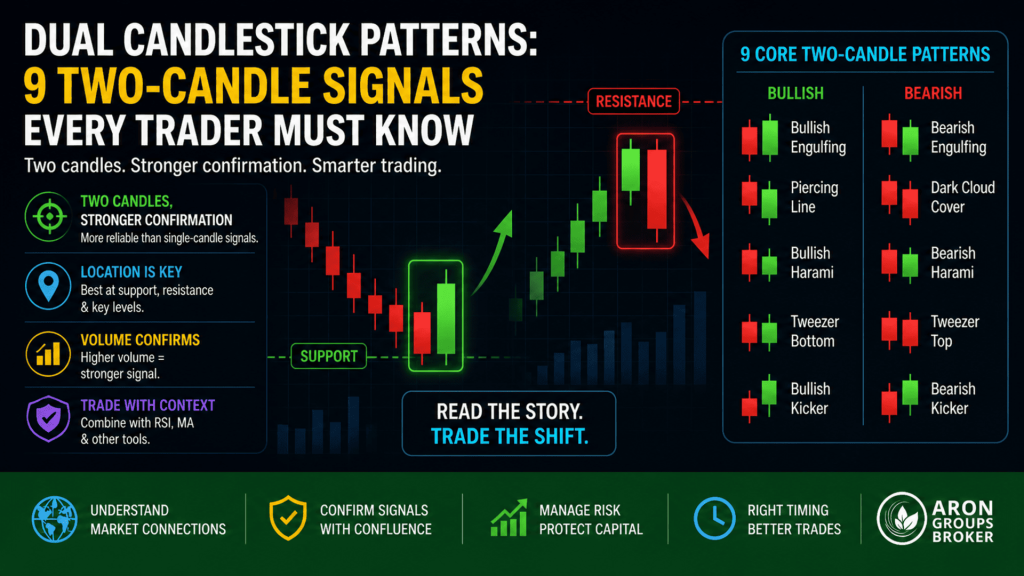
A Complete Guide to Two-Candle Reversal and Continuation Formations
A single candlestick can hint at what the market is feeling, but it takes two candles working together to confirm that sentiment is actually shifting. Dual candlestick patterns, also called two-bar or double-candle formations, use the relationship between consecutive candles to identify moments where buyers wrest control from sellers or sellers overwhelm buyers. That confirmation […]
9 mins read
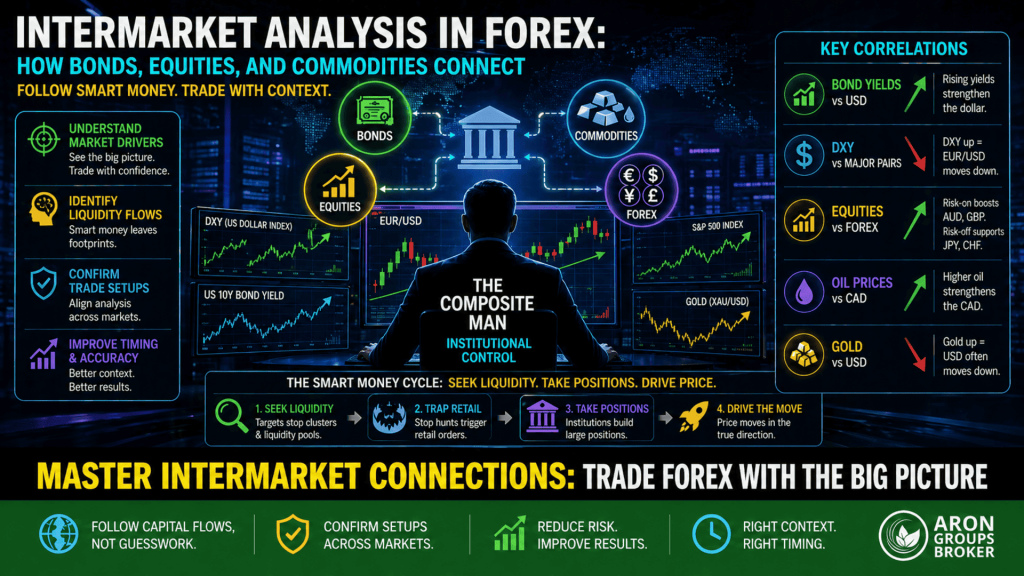
Intermarket Analysis in Forex Trading: How Bonds, Equities, Commodities & Currencies Interact
Intermarket Analysis is one of the most powerful yet underused tools in Forex trading. Many traders focus only on price charts, indicators like RSI or MACD, and entry signals. However, currencies do not move in isolation. They are deeply connected to other financial markets such as bonds, equities, and commodities. For example, a rise in […]
8 mins read
How the Weis Wave Brings Wyckoff Volume Analysis to MetaTrader 4
Most retail traders glance at the volume histogram beneath their chart, see a tall bar or a short one, and move on. That approach ignores the single question volume is designed to answer: how much collective effort went into each directional move? The Weis Wave indicator reframes volume around price swings rather than time intervals, […]
8 mins read
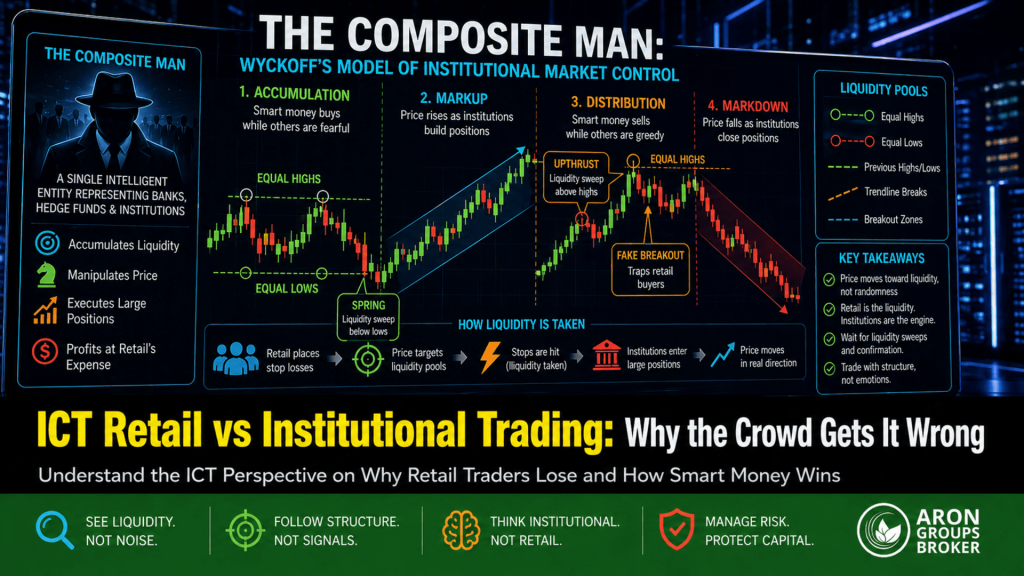
Composite Man Wyckoff Explained: How Smart Money Controls Market Trends
Financial markets rarely move at random. Behind every sharp rally or sudden drop, there is often a structured intention driven by large institutional players. In the Wyckoff methodology, this hidden force is described as the Composite Man—a conceptual operator that represents banks, hedge funds, and smart money as a single entity. Understanding the Composite Man […]
7 mins read
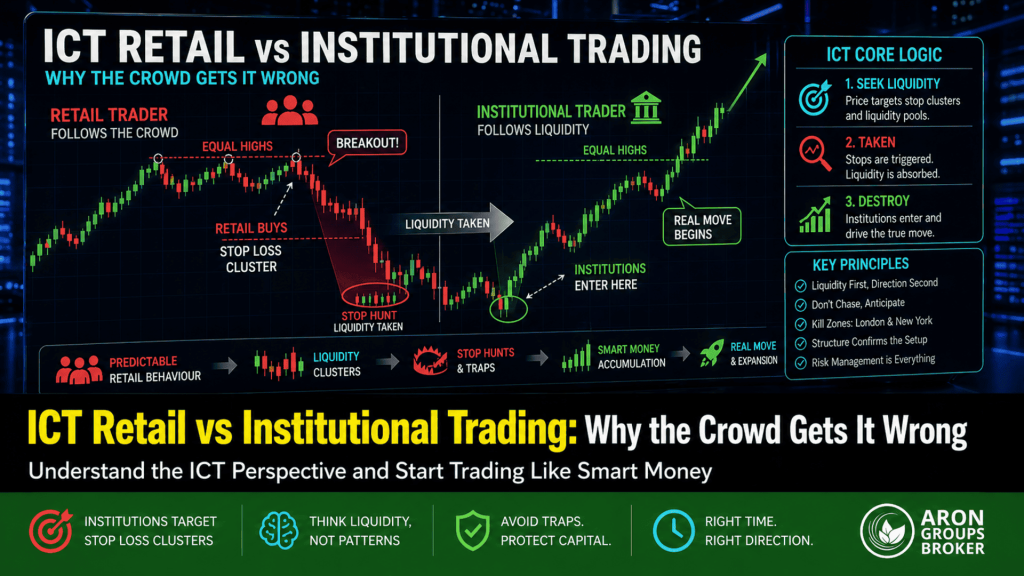
ICT Retail vs Institutional Trading: Why Retail Traders Lose
In financial markets, most traders believe they are competing against price. In reality, they are competing against institutions. The concept of ICT Retail vs Institutional Trading explains why the majority of retail traders consistently lose, while large players extract liquidity with precision. Retail traders often rely on common tools such as support and resistance, trendlines, […]
8 mins read
All Glossary
This site is registered on wpml.org as a development site. Switch to a production site key to remove this banner.