Identifying the Best Trend Strength Indicator for Reliable Trading Decisions
Experienced traders know that trend strength is just as important as direction. A strong trend can offer high-probability trading opportunities, while a weak trend often leads to false signals and sudden reversals. Among trend strength indicators, many professionals consider ADX to be the best trend strength indicator, especially in Forex markets. In this guide, we […]
8 mins read
High-Probability ICT Scalping for Fast Intraday Entries
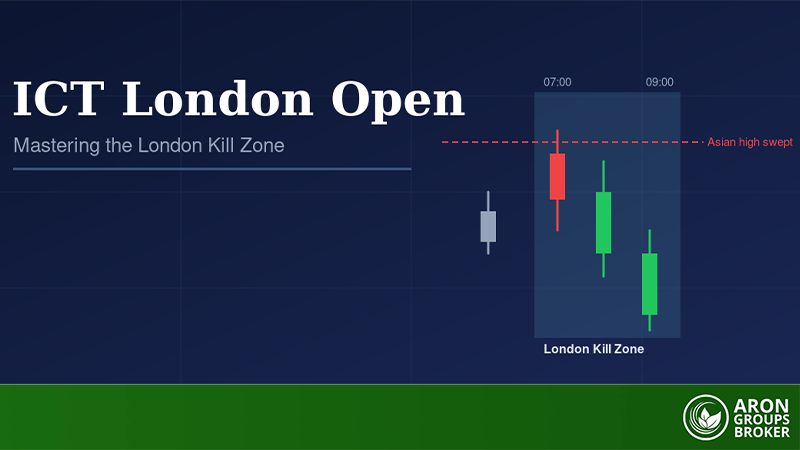
An ICT scalping strategy is a fast intraday entry model built for 1 clean move, not a full session trend. It works when you trade inside Kill Zones, identify a clear liquidity draw (BSL/SSL), then execute the same sequence: Sweep → Displace → Retrace → Enter. The real question is this: are you scalping a […]
14 mins read
Optimal Trade Entry Techniques for ICT Traders
Optimal Trade Entry (OTE) is a way ICT traders use Fibonacci to find a high-probability pullback zone inside a clear swing (usually the 61.8% to 79% retracement), but the real question is this: are you using it as a smart location tool (with structure and liquidity), or just drawing fibs on every dip and hoping […]
8 mins read
Turn Market Gaps into Opportunities with ICT Liquidity Voids
Have you ever noticed how prices in markets sometimes jump quickly, skipping over certain levels like a space? That’s a liquidity void. a spot where few trades occur due to imbalances caused by big players, often in ICT liquidity void setups. It creates price inefficiency zones that pull prices back, offering chances in liquidity void […]
11 mins read
A Step-by-Step Guide to Trading Bullish Divergence RSI
Price does not move randomly. It often slows down before changing direction, and momentum indicators help traders spot that shift early. One of the most reliable signals is bullish divergence RSI, which appears when the price continues falling but the RSI indicator starts rising. This pattern can signal weakening selling pressure and a possible reversal. […]
6 mins read
How to Grasp the Intrinsic Value of Options for Call and Put Trades
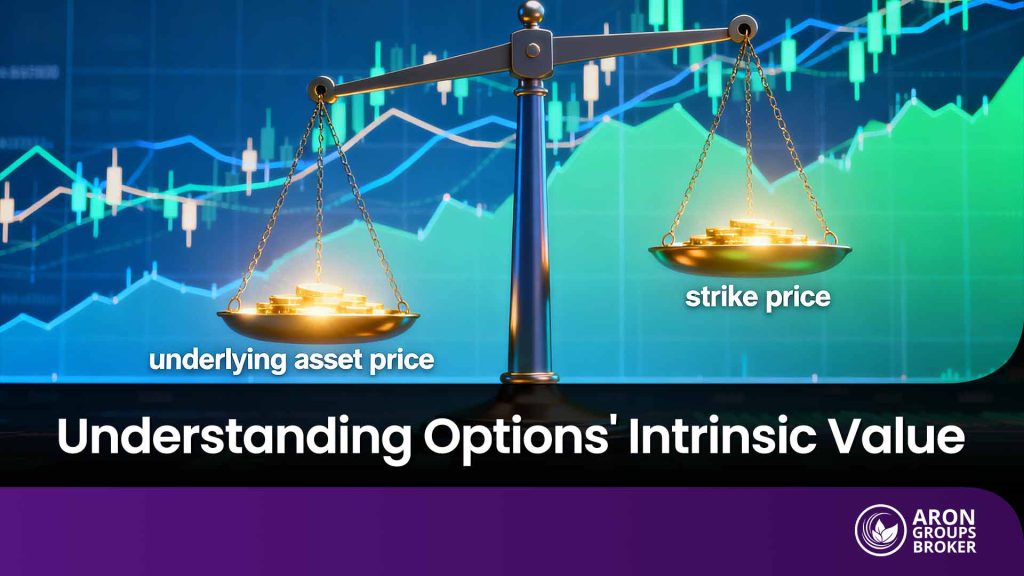
An intrinsic value option is a simple way to check whether an option has any “real” value right now. It compares the strike price vs market price to show if a call or put is in the money, or if it has zero intrinsic value. This idea is the starting point for understanding option payoffs […]
11 mins read
How to Trade Using the MACD and Alligator Strategy
The MACD and alligator strategy is a simple method that helps traders understand when a market may start moving up or down. It combines the MACD indicator, also called Moving Average Convergence Divergence, with the Bill Williams Alligator indicator to spot trends and measure momentum. Even if you are new to trading, this approach can […]
10 mins read
Buy Side vs Sell Side Liquidity: A Trader’s Guide to Market Flow
Understanding buy side and sell side liquidity reveals why price often sweeps highs or lows before strong moves. Buy-side liquidity often forms above recent highs, where stop-loss orders from short positions tend to cluster, while sell-side liquidity commonly develops below recent lows, driven by stop placements from long positions. However, these areas do not consist […]
9 mins read
How to Construct a Ben Felix Portfolio
Most retail investors own the market. They buy a broad index fund, hold it, and accept whatever return the market delivers. That approach is sound, but it is not the only evidence-based option available. The Ben Felix portfolio extends standard index investing by adding systematic exposure to four additional return factors: size, value, profitability, and […]
12 mins read
A Trader’s Guide to ICT Liquidity and Market Sweeps
In ICT, liquidity is treated as a market execution feature rather than an assumption about intent. It refers to areas where orders are likely to cluster and where execution is typically easier because more participants are active around the same visible price levels. This shifts the trader’s focus away from reacting to sudden spikes and […]
11 mins read
How to Trade the Inverse Fair Value Gap and Its Key Rules
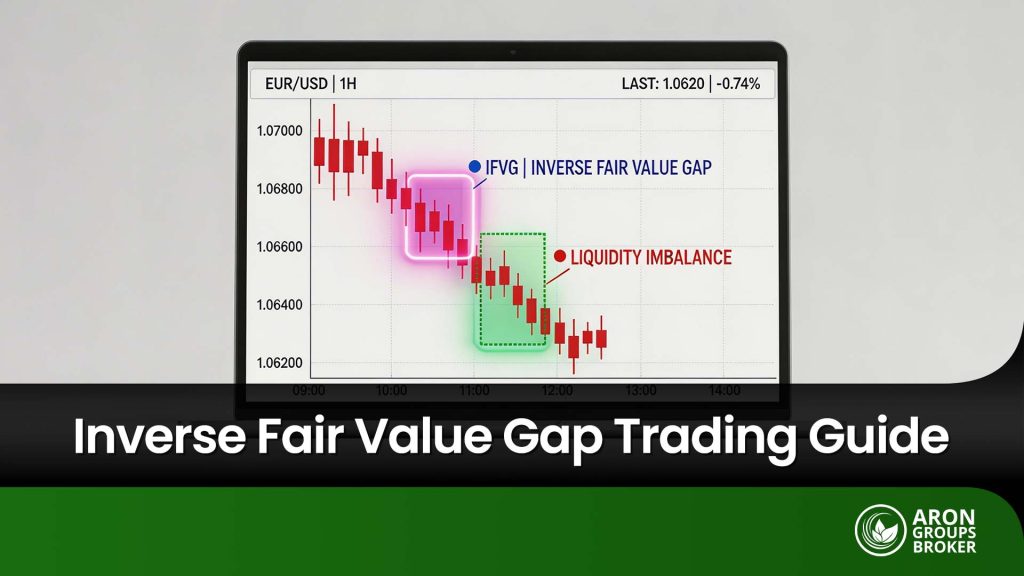
The inverse fair value gap (IFVG) is one of the most useful price concepts in modern technical trading. It describes a failed fair value gap that flips its role from support to resistance, or from resistance to support. This guide explains what an IFVG is, how it forms, and how to build a clear trading […]
11 mins read
Trade Smarter with Value Area Techniques: Secrets Institutions Use
Most retail traders focus only on price. Institutions focus on where price spends time. This is the foundation of value-area trading, a method based on market structure and statistical distributions. This guide explains the value area step by step. You will learn about the 80% rule, fair value price, and Time Price Opportunity (TPO) charts. […]
10 mins read
All Glossary
This site is registered on wpml.org as a development site. Switch to a production site key to remove this banner.